Solar Panel Maintenance: Keep Your System Running at Peak Performance
Solar panels are remarkably low-maintenance, but proper care ensures your system delivers maximum energy production for 25+ years. Understanding basic maintenance requirements helps you protect your investment and maintain optimal performance throughout your panels' lifetime.
🔧 Essential Maintenance Tasks
Regular Visual Inspections
Conduct quarterly visual inspections of your solar array. Look for physical damage, debris accumulation, or shading from new tree growth. Early detection of issues prevents minor problems from becoming costly repairs. Check for cracked glass, loose mounting hardware, and signs of wildlife interference.
Panel Cleaning Schedule
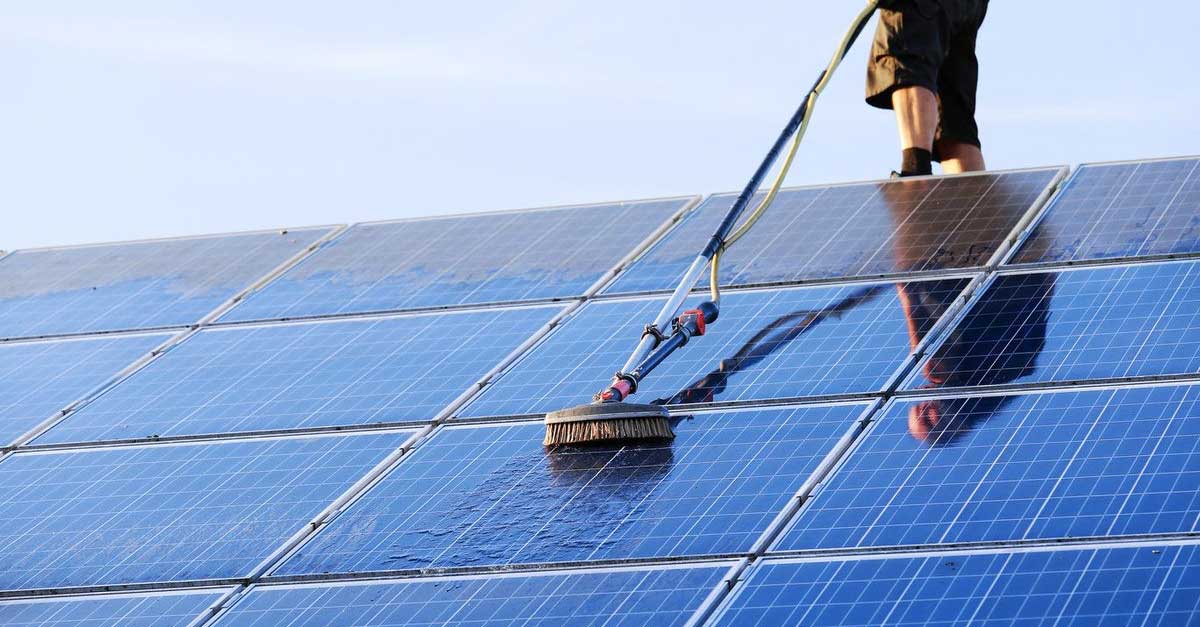
While rain naturally cleans panels in most areas, dust, pollen, bird droppings, and environmental debris can reduce efficiency by 15-25%. Clean panels 2-4 times per year depending on your location. Use soft brushes, deionized water, and gentle cleaning solutions specifically designed for solar panels. Avoid pressure washers and abrasive materials that can damage protective coatings.
Performance Monitoring
Modern solar systems include monitoring platforms that track energy production in real-time. Review your production data monthly to identify performance drops that may indicate maintenance needs. Compare current output to historical data and expected production based on weather conditions. Sudden decreases often signal issues requiring professional attention.
⚡ Professional Maintenance Services
Annual Professional Inspections
Schedule professional inspections annually to verify electrical connections, inverter performance, and mounting system integrity. Certified technicians use specialized equipment to test voltage output, check for potential safety hazards, and ensure all components meet manufacturer specifications. Professional inspections typically cost $150-300 and can prevent expensive failures.
Inverter Maintenance
Inverters are the hardest-working components in your solar system, converting DC power from panels to AC power for your home. Check inverter displays regularly for error codes or warning lights. Keep inverters clean and ensure adequate ventilation. String inverters typically need replacement after 10-15 years, while microinverters often last 20-25 years with proper maintenance.
Electrical System Checks
Professional electricians should inspect wiring, connections, and safety systems every 3-5 years. They'll verify proper grounding, check for loose connections that create resistance and heat, and ensure all safety disconnects function correctly. Electrical system maintenance prevents fire hazards and ensures optimal energy transfer.
🌳 Environmental Considerations
Tree Trimming and Shade Management
Even partial shading can significantly reduce solar production. Trim trees annually to prevent branches from shading your panels. Remember that sun angles change seasonally—branches that don't cast shade in summer may create significant shading in winter. Consider removing trees that will eventually shade your array as they grow.
Wildlife and Pest Prevention
Birds, squirrels, and other wildlife may nest under solar panels, potentially damaging wiring and creating fire hazards. Install critter guards around panel perimeters to prevent access while maintaining airflow. Regularly remove nesting materials and check for chewed wires. Professional pest exclusion costs $300-800 but protects your system from costly damage.
Seasonal Maintenance Checklist:
Spring:
- • Deep clean panels after winter
- • Inspect for winter damage
- • Trim surrounding vegetation
- • Check mounting hardware
Summer:
- • Monitor peak production
- • Check inverter cooling
- • Remove debris and bird droppings
- • Verify no new shade sources
Fall:
- • Clear fallen leaves
- • Prepare for winter weather
- • Schedule professional inspection
- • Check weather seals
Winter:
- • Monitor snow accumulation
- • Safely remove heavy snow if needed
- • Watch for ice damage
- • Review annual performance data
💰 Cost-Benefit Analysis
Proper maintenance costs approximately $150-400 annually but can increase system efficiency by 15-20% and extend equipment life by several years. On a typical residential system producing $1,500-2,000 in annual savings, maintenance represents just 10-15% of savings while protecting a $15,000-30,000 investment.
"I didn't realize how much dirt and pollen had accumulated on my panels until I had them professionally cleaned. My production jumped 18% immediately, paying for the cleaning service in just two months. Now I schedule cleanings twice a year." — Robert T., Solar System Owner
🛡️ Warranty Protection
Most solar panel manufacturers require proof of regular maintenance to honor warranties. Document all maintenance activities, including dates, services performed, and photos. This documentation protects your warranty coverage and provides valuable information to future homeowners if you sell.
Common Warranty Requirements:
- • Annual professional inspections
- • Prompt repair of identified issues
- • Regular performance monitoring
- • Proper cleaning and debris removal
- • Use of certified technicians for repairs
Safety Warning
Never walk on solar panels or perform electrical work unless you're a certified professional. Solar systems carry dangerous voltage levels, and improper handling can cause electrocution, falls, or equipment damage. Always hire licensed professionals for electrical repairs and complex maintenance tasks.
📊 Monitoring System Performance
Advanced monitoring systems alert you to performance issues before they become serious problems. Set up notifications for production drops, inverter errors, or unusual patterns. Many monitoring apps compare your production to nearby systems, helping identify localized issues versus weather-related variations.
Proper solar panel maintenance is simple, affordable, and essential for maximizing your system's performance and longevity. By following these guidelines and working with qualified professionals, you'll ensure your solar investment delivers optimal returns for decades to come.
*Maintenance costs and requirements may vary based on system size, location, and local environmental conditions. Consult your system warranty for specific maintenance requirements.